No Products in the Cart


Last Updated: September 3, 2026
Boutique home decor focuses on curated, limited-quantity items often created by independent artisans or small production runs, a fundamentally different approach from mass-manufactured alternatives. When millions of homes contain identical pieces, spaces blur together. Boutique home decor breaks that pattern through intention and originality.
Mass production prioritizes efficiency and uniformity. Boutique home decor prioritizes craftsmanship. Handcrafted pieces use better materials, tighter construction, and more thoughtful design than mass-produced alternatives. At Home 2 Court, our curated collection emphasizes this craftsmanship; items like our Blue Chinoiserie Ginger Jar are designed with quality in mind. When you choose boutique home decor, you're choosing pieces built to last.

Boutique sellers know their inventory and understand the stories behind each piece. That knowledge translates into better recommendations and a personal shopping experience rather than a transactional one.
Handcrafted pieces carry a level of care that machines cannot replicate. Small variations, slightly uneven glazing, unique color shifts, subtle asymmetries, aren't flaws. They're proof of human involvement and skill.
Mass-produced home decor uses cheaper substrates to hit price points. Boutique artisans select materials for performance and beauty. A handcrafted ginger jar made from high-quality porcelain will hold its shape, resist chipping, and maintain its finish for decades. The same piece mass-produced might show wear within years.
Handcrafted pieces are built using traditional techniques refined over generations. Artisans understand stress points, weight distribution, and durability in ways that optimize for longevity. When you buy a piece like our BB-Dynasty Magnolia Vase, you're getting work by skilled artisans. Each piece varies slightly because it's handcrafted, that variation is a feature, not a defect.

Hand-painted accents, custom glazing techniques, and thoughtful finishing touches emerge when someone has time to care about the work. These details create visual richness that photographs often fail to capture.
When you purchase from independent artisans or small-batch producers, you typically know more about where your money goes. Fair wages, sustainable practices, and ethical sourcing become possible when production volumes are smaller and relationships are direct.
Buying boutique home decor online requires a different approach than shopping mass retailers. A few strategies dramatically reduce the risk of purchasing without seeing the piece in person.
Start with detailed product information. Reputable boutique retailers provide specific dimensions, materials, weight, and care instructions. They explain the maker's background and production method. Home 2 Court provides detailed specifications for every piece because we want you to make informed decisions.
Examine multiple photos from different angles. High-quality listings show pieces from multiple perspectives, including close-ups of texture, finish, and hand-painted details. Photos taken with natural light reveal color accuracy better than studio lighting alone.
Read descriptions that include maker information. Knowing who created the piece and their approach builds confidence. When a description explains that a vase is handcrafted by artisans in a specific region using traditional techniques, you understand what you're buying.
Verify return and shipping policies before purchasing. Boutique retailers should offer clear policies on returns, exchanges, and shipping costs. Transparent policies indicate a business confident in its products.
Check customer reviews critically. Look for reviews that mention specific details: how the piece arrived, whether dimensions matched expectations, how it looks in their actual home. Detailed reviews are more useful than vague ones.
Ask questions directly. Reputable boutique retailers respond to customer inquiries. The willingness to engage with customers before purchase signals a business that values relationships over transactions.
The real power of boutique home decor emerges when you approach your space as a curated collection rather than a decorated room. Instead of filling a room with matching furniture sets, you're building a personalized living space where each piece contributes to a cohesive aesthetic while maintaining originality.
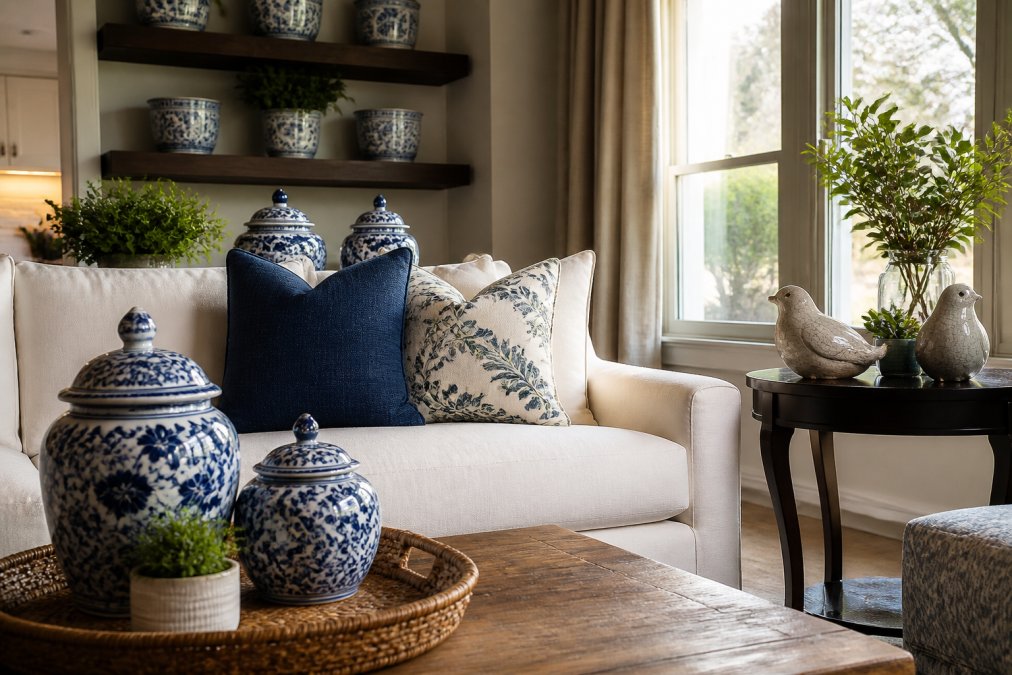
Curation starts with understanding your aesthetic. What colors, patterns, and styles draw you? What mood do you want your space to evoke? Boutique home decor lets you build around your actual preferences rather than following trends or designer templates.
The variety available through small-batch and artisan production is significant. You're not limited to the five color options a mass retailer offers. Our White Textured Ginger Jar comes in three colors, white, pink, and light blue, each offering a different feeling while maintaining the same quality and aesthetic. This flexibility lets you build a personalized living space that feels authentically yours.

Layering pieces creates depth. Instead of one statement piece, boutique curation encourages multiple items working together. A collection of ceramic vessels at different heights, a mix of textures on shelves, complementary but non-matching accessories, these elements create visual interest and sophistication.
Select a color palette and work within it. If you love blues and whites, build around that. Add complementary neutrals and textures, then introduce one-of-a-kind pieces that enhance without overwhelming. This creates cohesion while maintaining the uniqueness that makes boutique home decor special.
Give each piece room to breathe. Rather than crowding shelves, allow space for pieces to be seen and appreciated. A single handcrafted vase commands more attention than three identical mass-produced pieces clustered together.
Styling boutique home accessories requires understanding proportion, placement, and the visual weight each piece carries.
Group by size and shape, but vary the pattern. Pieces of similar height create visual rhythm, but identical arrangements feel static. Try arranging three ginger jars of varying heights in a staggered pattern rather than a straight line. Our Artichoke Tulipiere and Canton Ceramic Pot Planter work beautifully together because they share aesthetic DNA while offering different forms.
Use negative space strategically. Boutique pieces often deserve breathing room. Crowding them diminishes their impact. Leave space around statement pieces so they command attention.
Layer heights and depths. Create visual interest by varying how far pieces extend from the wall. Place taller items in back, shorter pieces in front, but stagger them rather than creating a straight progression.
Mix textures intentionally. Smooth ceramics paired with rough textiles, polished surfaces next to matte finishes, contrast makes each piece more visually interesting. The Stoneware Staffordshire Dog Shaped Container with its hand-painted indigo accents gains impact when placed against neutral backgrounds.
Consider color relationships. Complementary colors create vibrancy. Analogous colors create harmony. Monochromatic arrangements create sophistication. Select pieces that support your goal.
Rotate pieces seasonally. One advantage of curated boutique collections is flexibility. Swap out accessories seasonally to refresh your space without major investment.
Photograph your arrangements. Take photos of styling experiments before committing. A phone camera often reveals what your eye misses, helping you refine your arrangements.
Choosing boutique home decor aligns with sustainability values in ways mass production rarely achieves. Small-batch and artisan production inherently generate less waste than mass manufacturing. Overproduction doesn't happen at the same scale. Artisans create based on demand rather than predicting what millions of consumers might buy.
Durability matters significantly. A handcrafted ceramic piece built to last thirty years has far less environmental impact than a mass-produced item replaced every five years. Longevity is sustainability.
Ethical production becomes more transparent in boutique contexts. When production volumes are smaller and relationships are direct, fair wages and safe working conditions become practical to verify. You can often learn exactly where a piece was made and under what conditions.
Material sourcing also improves in small-batch production. Artisans typically care about the materials they work with daily, selecting for quality and sustainability rather than cost minimization.
Supporting independent artisans and small businesses keeps money in communities rather than funneling it to distant corporations. This economic impact represents genuine sustainability, supporting local economies and craft traditions.
Quality boutique pieces often function as investments, appreciating in value or at minimum holding their worth over time. Handcrafted pieces by recognized artisans frequently appreciate as collectors seek out work by established makers and limited production runs create scarcity.
Even pieces that don't dramatically appreciate maintain value. A well-made ceramic vessel, textile, or sculptural piece retains most of its original cost if you later decide to sell. Mass-produced items typically resell for a fraction of their original price.
The emotional return on investment also matters. Living with pieces you genuinely love, that reflect your aesthetic and values, improves daily life in ways that can't be quantified. You're investing in your environment and your quality of life.
Resale markets for boutique home decor are active and growing. Platforms dedicated to vintage and artisan home goods have created secondary markets where quality pieces command strong prices.
Consider the cost-per-use calculation. A handcrafted piece you display and enjoy daily for twenty years costs far less per day of enjoyment than a cheap item you replace every few years. From an economic perspective, quality boutique home decor often represents better value than discount alternatives.
Choosing boutique home decor means prioritizing originality, craftsmanship, and intention over uniformity and convenience. These pieces transform your living space from a collection of furniture into a curated environment that reflects who you are and what you value. At Home 2 Court, we've built our entire approach around this philosophy, offering handcrafted ceramics, artisan-made accessories, and carefully selected pieces that bring sophistication and personality to your home. Explore our collection of ginger jars, cachepots, and decorative vessels, each chosen for its quality, aesthetic, and lasting value. SHOP NOW!
Boutique home decor commands higher prices because each piece reflects handcrafted quality, artisanal skill, and curated sourcing. Unlike mass-produced items made in bulk, boutique pieces often vary slightly in size and color, making each one unique. The materials are typically superior, porcelain instead of plastic, durable stoneware instead of cheap composites. When you buy unique home decor online from boutique retailers, you're investing in pieces designed to last decades, not seasons. The craftsmanship and limited production runs mean you're paying for originality and durability, not just a product.
Look for detailed product descriptions that include artisan names, materials, and care instructions, signs of transparency. Authentic boutique retailers showcase product dimensions, weight, and construction methods. Check for handcrafted language and artisan collaboration details. Review high-quality product photography showing texture and finish. Reputable boutique sellers like Home 2 Court provide information about designers and manufacturers, such as Napa Home & Garden's heritage since 2000 or Barclay Butera's collaborations. Read customer reviews for feedback on durability. Verify return policies, confident retailers stand behind their pieces.
Yes, boutique home accessories work beautifully with existing furniture when you follow design principles. Choose pieces that share a cohesive color palette or aesthetic, for example, blue and white chinoiserie ginger jars complement both traditional and contemporary spaces. Start with smaller statement pieces like ceramic birds or cachepots to test the style without major investment. Layer different heights and textures; a tall magnolia vase next to a small stoneware dog planter creates visual interest. The key is selecting curated pieces that reflect your personal style rather than trying to match everything exactly. Boutique decor's handcrafted quality actually enhances mixed interiors by adding character.
Boutique decor prioritizes durability and timeless design over fast-fashion trends. Handcrafted pieces made by skilled artisans are built to last generations, reducing waste compared to mass-produced items replaced every few years. Small-batch production creates less overstock and inventory waste. Many boutique makers source sustainable materials and use traditional techniques with minimal environmental impact. Supporting independent artisans and small manufacturers reduces the carbon footprint of large-scale shipping and manufacturing. When you buy unique home decor from boutique sources, you're choosing quality over quantity, fewer, better pieces that age gracefully rather than disposable décor.
This article was written using GrandRanker
