No Products in the Cart


Last Updated: August 26, 2026
Your home should feel like an extension of who you are. Before buying decor, understand what visually and emotionally resonates with you through honest reflection, not Pinterest trends.
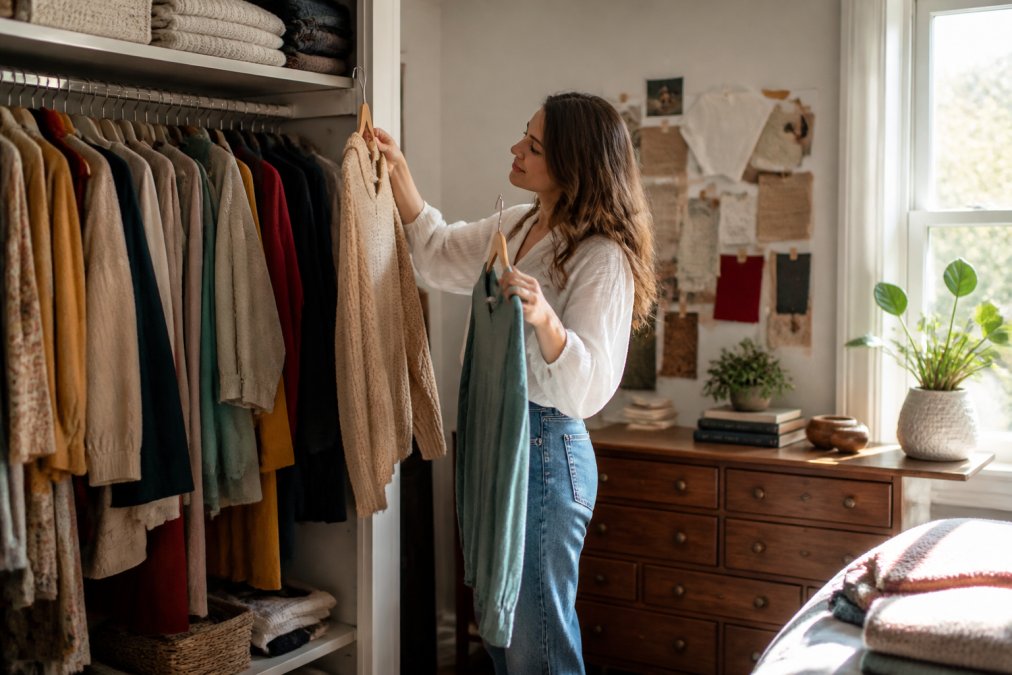
Pull out five pieces you wear constantly. Look at the colors, fabrics, and silhouettes, they reveal your instinctive preferences. Do you gravitate toward neutrals like black, white, and gray, or warm tones like terracotta and mustard? Are you drawn to jewel tones like emerald or sapphire? Your color palette in fashion should guide your home decor.
Textures matter equally. If you love soft cashmere and silk, your home should feature similar tactile qualities. If you prefer structured fabrics like denim and leather, those materials should appear in your living spaces. Notice whether you prefer clean lines and minimalism or layers, patterns, and visual complexity. Someone in tailored pieces typically feels comfortable in modern or classic aesthetics, while someone drawn to bohemian fashion thrives in spaces with mixed patterns and natural textures.
Modern emphasizes simplicity, clean lines, and intentional minimalism. If your wardrobe leans toward tailored blazers and limited color palettes, modern decor will feel aligned with your style.
Boho celebrates eclecticism, mixed patterns, natural materials, and vintage pieces. If you love mixing prints and wearing flowing fabrics, boho design will resonate.
Classic is timeless and refined, featuring quality materials and traditional proportions. If your wardrobe includes investment pieces that never go out of style, classic decor creates cohesion.
Most people blend these aesthetics, perhaps 60% modern with 40% boho touches. This blend makes your space authentically yours.
Color establishes visual harmony between what you wear and where you live. If you wear warm neutrals like cream and tan, your home should feature those same warm undertones. If you're drawn to cool neutrals like white and cool gray, choose cool-toned decor.
Look at accent colors you naturally reach for. Do you wear navy? Bring it into your home through pillows or artwork. Do you gravitate toward earth tones like olive and rust? Introduce them through textiles and decor. The saturation matters too, if you prefer muted colors in clothing, reflect that restraint in your home. If you love bold colors, let your spaces be as vibrant as your wardrobe.
Take a photo of your closet or favorite outfits and use it as a reference when selecting paint, furniture, and decor. You're translating the same visual language into your home.
Finding your decorating style requires looking at what appeals to you across multiple sources and identifying patterns.
Start a mood board, digital or physical. Spend 15-20 minutes saving images that make you pause and think, "I want to feel like that (apa.org)." Don't filter these choices, if you love a minimalist bedroom and a maximalist living room, that's data about your preferences.
After collecting 30-40 images, look for themes (peer-reviewed research). Do certain color combinations appear repeatedly? Are there recurring textures like velvet, linen, or leather? Do you see a preference for vintage mixed with new items, or cohesive, coordinated looks?
This mood board becomes your reference when shopping. When browsing for decor, check your mood board first. Does this piece fit your visual story?
Textures are the secret ingredient that makes a space feel intentional. If you wear soft, luxe materials like cashmere and silk, your home should feature similar richness through plush pillows and soft rugs. If you prefer natural, raw textures like linen and leather, let those dominate your choices.
Metallics matter too. Do you wear gold or silver jewelry? That preference should extend to your home's hardware and light fixtures. Pay attention to how materials age, if you love vintage, worn-in pieces, you'll appreciate decor that shows character. If you prefer pristine finishes, choose newer pieces.
Mixing styles creates spaces that feel authentically yours. A home filled entirely with modern pieces feels cold; one filled entirely with vintage feels dated. The magic happens when you blend them intentionally.
Start with a clear anchor, typically your largest furniture piece. If it's modern, add vintage accessories and artwork. If your anchor is vintage, modern lighting and contemporary artwork create balance and prevent the space from feeling like a time capsule.
Let 70% of your decor reflect your primary aesthetic and use 30% to introduce secondary styles (aiga.org). If you're 70% modern, that 30% of boho touches, a woven wall hanging, layered textiles, a vintage mirror, adds warmth without overwhelming the space.
Apply this principle to color and pattern too. If 70% of your palette is neutral, 30% can be accent color. If 70% of your textiles are solid, 30% can be patterned. Cluster your 30% intentionally rather than scattering it randomly.
Your favorite fabrics in fashion translate directly to home decor. If linen is your go-to fabric, introduce it through curtains and throw pillows. If you love structured cotton, those materials work beautifully in home textiles. If you're drawn to luxe materials like silk or velvet, incorporate them through accent pillows or upholstered pieces.
If you wear leather regularly, leather furniture and accent chairs will feel natural in your home. If leather doesn't appear in your wardrobe, it might not be right for your decor.
Patterns follow the same logic. If you wear printed fabrics, introduce those same pattern types into your home. If your wardrobe is predominantly solid colors, keep your home's textiles mostly solid with pattern as occasional accents.
Shopping for home decor online requires strategy. Without touching pieces in person, you need a clear framework for decisions.
Curated retailers intentionally select inventory around specific aesthetics and quality standards, making it easier to find pieces that work together. Home 2 Court offers a thoughtfully curated collection of home decor, unique gifts, stylish apparel, and specialized pickleball equipment, empowering you to create a comfortable and joyful sanctuary for both relaxation and entertainment. Rather than browsing thousands of generic options, you're exploring pieces already vetted for quality and aesthetic alignment.
Look for retailers that clearly communicate their design philosophy and explain why they've chosen specific pieces.
Resist furnishing your entire home at once. The most cohesive, personal spaces are built gradually, with each piece chosen deliberately.
Start with foundational pieces: your largest furniture items and wall color. These anchor the space. Add layers gradually, textiles, artwork, smaller decor pieces, lighting. This approach saves money, avoids impulse buys, and leaves room for preferences to evolve.
When adding a new piece, ask: Does this fit my color palette? Does it match my texture and material preferences? Does it feel like it belongs in the same visual story? If yes to all three, it's the right choice.
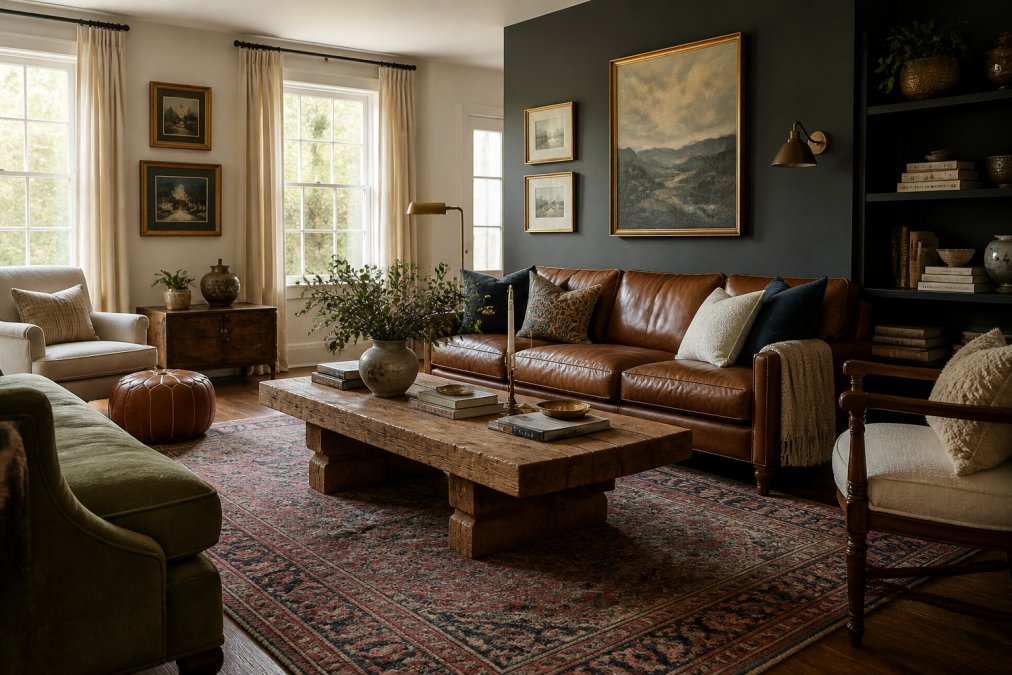
A cohesive living space means everything tells the same visual story. Your home should feel like a natural extension of your personal style.
Establish visual harmony through color, your primary palette should reflect your personal preferences, with accent colors appearing intentionally. Texture creates the next layer of cohesion. A consistent approach to materials and textures makes a space feel intentional even if individual pieces vary.
Include pieces that matter to you: artwork you love, objects with meaning, items that spark joy. A cohesive space isn't sterile, it's deeply reflective of who you are and how you want to live.
When building your home with intention, matching decor to personal style becomes natural. You're not following design rules or trends. You're creating an environment that feels authentically like home because it reflects the same aesthetic language as your wardrobe and personality.
The process is ultimately about permission, permission to trust your instincts, honor your preferences, and create spaces that feel genuinely like you. Your home deserves to reflect who you actually are, not who you think you should be.
Creating a home that truly reflects your personal style transforms your living space into a sanctuary that energizes and comforts you. Home 2 Court's curated collection of home decor and unique pieces makes it easier to find items that align with your aesthetic, whether you're drawn to modern minimalism, bohemian eclecticism, or classic elegance. With thoughtfully selected furnishings, textiles, and decor that celebrate visual harmony and personal expression, you can build a cohesive living space that tells your story. SHOP NOW!
Start by examining your wardrobe and identifying colors and textures you're drawn to repeatedly. Look at your clothing choices, then create a mood board by collecting images of rooms and decor pieces you love online. Notice patterns in the aesthetics you gravitate toward. Your personal style often reflects your values and lifestyle, so think about how you spend your time at home, whether you prefer minimalist simplicity or layered, eclectic spaces. This process reveals your authentic aesthetic and guides your decor choices.
The 70/30 rule means 70% of your decor should be neutral or anchor pieces, while 30% expresses your personality through color, pattern, or statement items. This creates visual harmony while letting your personal style shine. If your fashion aesthetic leans bold and colorful, use neutrals as your foundation and add your signature colors through textiles, art, or accessories. If you prefer understated elegance, keep the 70% classic and introduce your refined taste through quality materials and subtle details in that 30%.
Yes, mixing styles works when you use a unifying element like color palette, texture, or material. For example, blend modern and boho by pairing sleek furniture with woven textiles and natural wood. Ensure your dominant style (the one occupying most visual space) anchors the room, then introduce secondary styles as accents. This approach mirrors how many people mix fashion pieces, a classic blazer with bohemian jewelry, or minimalist basics with statement accessories. The key is intentionality: every piece should connect to your overall aesthetic vision.
Shop curated collections from retailers that align with your aesthetic rather than browsing generic marketplaces. Look for boutique-style options that emphasize thoughtful curation and lifestyle alignment. Create a clear visual reference, save images of decor you love, note the colors and materials, then search for pieces that echo those elements. Read product descriptions carefully to understand materials and design philosophy. Start with smaller, affordable accent pieces to test how items feel in your space before investing in larger statement pieces. This approach reduces buyer's remorse and builds a cohesive home environment.
This article was written using GrandRanker
