No Products in the Cart


Last Updated: September 15, 2026
Shoppers search for a lylas alternative when they want boutique-quality home gifts without the guesswork of a single-brand catalog. The appeal is simple: a curated, design-forward selection that feels personal rather than mass-produced.
This guide from Home 2 Court walks through what actually separates a good alternative from a generic marketplace listing. Below, we break down the categories, the trade-offs, and the specific pieces worth considering.
The core tension is this: mass-market retailers win on price and speed, while boutique sellers win on taste and story. Most shoppers want both, and that gap is exactly where a well-chosen lylas alternative for home gifts earns its place. According to the American Institute of Graphic Arts' design value research, consumers consistently report that visually distinctive, well-designed objects feel more valuable than their price tag suggests.
A genuinely unique housewarming gift solves a problem the recipient hasn't admitted yet: where to put the thing they'll actually use. The best options combine function with a design story worth repeating when guests ask.
The categories below are the ones that hold up in real homes. What separates a good pick from a forgettable one is almost always fit, the piece has to match the recipient's space, not your taste.
Everyday-use gifts win because they survive the novelty phase. A frosted cup set that gets pulled out for every gathering, or a stemless wine glass that becomes someone's default pour, delivers value long after the wrapping paper is gone.
Look for pieces that are durable, dishwasher-safe where possible, and versatile enough to work across seasons. Functional doesn't have to mean boring.
A few concrete tests before you buy:
Personalized gifts work best when the customization is subtle. A monogram, a date, or a motif tied to a shared interest lands harder than a name printed in giant letters (apa.org).
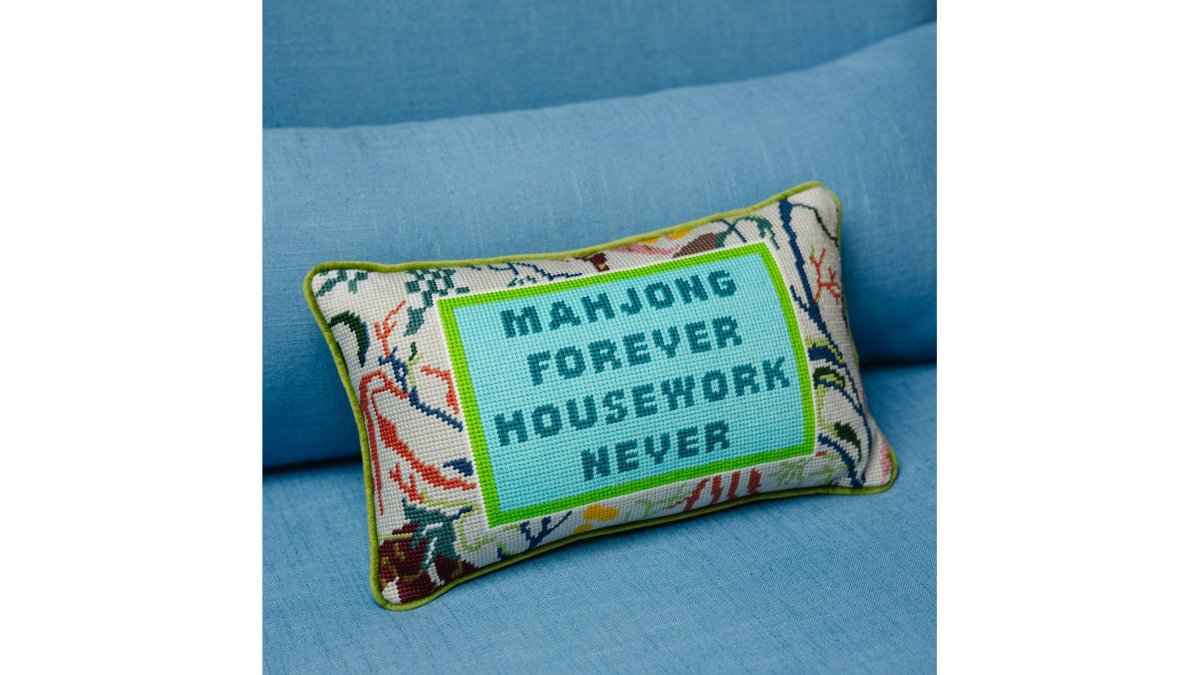
The strongest sentimental picks reference something specific about the recipient. If they host mahjong night every month, a needlepoint pillow celebrating that ritual says more than a generic "Home Sweet Home" sign ever could. If they just moved into their first place, a small embroidered piece marking the address or the year does the same work.
A common pattern among buyers who get this right: they pick one detail only the recipient would recognize, then keep the rest of the piece quiet. Over-personalization is the most frequent mistake, it turns a keepsake into a novelty.
Handmade pieces carry a maker's story, which is exactly what mass-market catalogs can't replicate. The trade-off is variability: two of the same item from a small studio can differ slightly in color or finish. For most buyers that's a feature, not a defect, but it's worth knowing before you order a matched set.
When vetting an artisan piece, ask three questions:
This is where most gift guides stop short, and it's the factor that increasingly decides the purchase. Buyers looking for a boutique alternative often care about materials and labor practices, and they want plain answers rather than a vague "sustainably made" badge.
What to look for:
None of this requires a certification to be credible. A boutique that can simply tell you where its linen comes from and who sewed the pillow is already ahead of most of the market.
Boutique home decor brands compete on curation and sourcing, not volume. They carry fewer items, vet each one more carefully, and often work with small makers or limited-run producers.

This is the real difference. A mass-market retailer stocks hundreds of variations of the same object to guarantee a sale. A boutique brand stocks one version it believes in. That editorial filter is what you're paying for, and it's also why inventory can sell out faster.
The two models serve different buyers. Here's how they stack up on the factors that actually matter at checkout.
| Factor | Boutique-Style | Mass-Market |
|---|---|---|
| Curation | Hand-selected, limited SKUs | Broad, high-volume catalog |
| Design story | Named maker or collection | Often unbranded |
| Sourcing transparency | Frequently disclosed | Rarely disclosed |
| Price point | Higher per item | Lower per item |
| Restock reliability | Can sell out | Usually always in stock |
| Gift-readiness | Often arrives presentation-ready | Usually plain packaging |
Neither column is automatically better. If you need twenty identical gifts for a corporate event, mass-market wins. If you need one gift that lands, boutique-style usually does.
Curated gift collections solve the hardest part of gift-giving: deciding what goes together. A good collection pairs a functional piece with a decorative one so the gift feels considered rather than assembled at the last minute.
Home 2 Court builds its selection around exactly this idea, grouping home decor, gifts, and apparel so a single order can cover a housewarming, a birthday, and a wedding registry without three separate shopping trips.
A rough guide to what you can realistically expect:
Home 2 Court is a strong Lylas alternative for home gifts, offering a curated mix of mahjong-inspired decor, needlepoint pillows, and game-night accessories. Unlike mass-market retailers, it focuses on boutique-style pieces that double as functional decor. The Mahjong Coffee Table Book at $75 stores tiles while looking like a coffee table book, and the Mahjong Needlepoint Pillow at $98 adds a playful, personalized touch to any living space.
Look for items that reflect the recipient's hobbies and style. A Mahjong Coffee Table Book at $75 works as both storage and decor, while the Blue and White Chinoiserie Mahjong Rack and Pusher Set at $88 suits game-loving hosts. The Mahjong Tiles Frosted Cups at $18 per set of six add a thoughtful, usable touch for gatherings. Personalized gifts succeed when they match the recipient's daily rituals, not just their decor palette.
Boutique home decor brands focus on smaller batches, artisan craftsmanship, and design-forward pieces you will not see in every home. Big-box stores prioritize volume and low prices, which often means generic designs and lower-quality materials. Boutiques like Home 2 Court offer items such as the Pink Quartz Acrylic Rack and Pushers at $110, where the marbled finish and durable acrylic construction justify the higher price through longevity and uniqueness.
Home gifts should respect the recipient's existing style rather than impose your own. Avoid large furniture or bold statement pieces unless you know their taste well. Safe choices include consumables, game accessories, or versatile decor like the Mahjong Needlepoint Pillow at $98. If you are unsure, pair a smaller item with a handwritten note explaining why it reminded you of them. This keeps the gesture thoughtful without overstepping.
Many boutique brands prioritize ethically sourced materials and small-batch production, which reduces waste compared to mass manufacturing. Home 2 Court's mahjong accessories, such as the Mahjong Carry All at $75, are designed for repeated use and durable storage, extending product life. When evaluating sustainability, look for items that replace disposable alternatives or serve multiple purposes, like storage that doubles as decor.
Finding a home gift that feels personal, well-made, and genuinely useful is harder than it should be, especially when most marketplaces push volume over taste. Home 2 Court was built for exactly this problem, with a curated selection of home decor, gifts, and apparel, specialized pickleball equipment for every skill level, and bridal gift and registry services that take the guesswork out of the process. Browse the collection and pick something your recipient will actually keep.
