No Products in the Cart


Last Updated: August 19, 2026
Many homeowners replace cheap furniture every few years while their neighbors' decade-old pieces still look polished and purposeful. The question of whether expensive home decor is worth it comes down to two variables: longevity and intention.
At Home 2 Court, we've found that the real debate isn't splurge vs. save, it's about knowing which pieces deserve your budget and which ones don't.
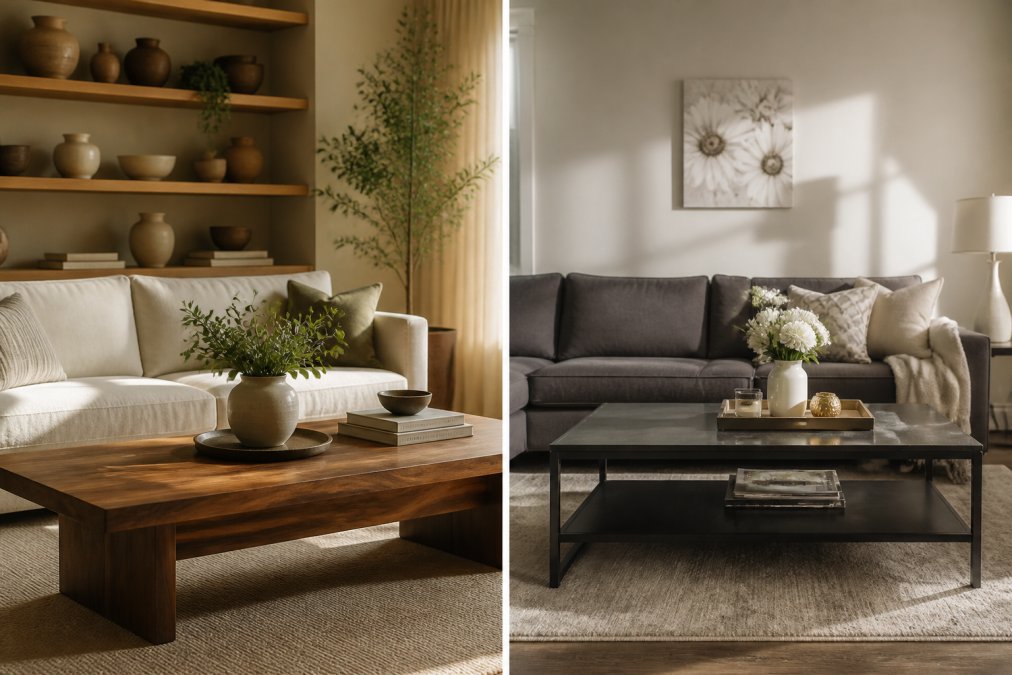
Mass-produced decor floods the market at accessible price points, but comes with a hidden contract: you'll replace it. The finish chips, joints loosen, fabric pills. A well-crafted piece built from natural materials and solid wood construction holds its form, finish, and often its value.
An investment piece costs more upfront but delivers greater value over time through durability, timeless aesthetic, or resale potential. Three qualities separate true investment pieces from merely expensive ones.
Craftsmanship matters most. Joinery methods, hand-finishing, and internal frame quality determine longevity far more than surface appearance. A sofa with an eight-way hand-tied spring system will outlast five entry-level sofas assembled with sinuous springs and staple guns.
Material quality is second. Solid hardwood, top-grain leather, natural stone, and hand-knotted wool age well and develop character rather than just wearing out.
Timeless design is third. Pieces with architectural integrity, clean proportions, and classic silhouettes remain relevant across decades of shifting style cycles.
Fast furniture is the home decor equivalent of fast fashion: cheap to buy, expensive to own. A particleboard dresser might need replacing every three to five years. Over fifteen years, you've spent more money, generated significant landfill waste, and never felt settled.
According to EPA data on furniture and furnishings waste, furniture represents a substantial portion of municipal solid waste, with the vast majority going to landfill. The environmental and financial cost of fast furniture compounds over time.
Some pieces punch well above their price point in terms of visual impact and longevity. Others are simply overpriced. Here's where the money genuinely works harder.
The single best investment most homeowners can make is a solid wood dining table or well-constructed sofa. These foundational pieces anchor a room's visual weight and absorb daily use.
Solid wood construction resists the warping and delamination that destroys veneered alternatives. A well-maintained hardwood table can last generations. Companies like Arhaus have built their reputation on handcrafted details, ethical sourcing, and enduring designs that don't require replacement.
For upholstered seating, the internal frame and spring system matter as much as fabric. Brands like Verellen specialize in handcrafted upholstery with custom options and comfort that holds up over years of use.
Lighting is the most underestimated category in interior design. A well-chosen fixture elevates a room's aesthetic more than almost any other single purchase.
High-end lighting from companies like Visual Comfort & Co. and Arteriors represents genuine craftsmanship: designer collaborations, quality metalwork, and finishes that don't oxidize or peel. A chandelier from this tier becomes a permanent architectural feature rather than a replaceable accessory.
Lighting works daily for hours. The cost-per-use math on a quality fixture is often better than on purely decorative objects.
The cost-per-use framework evaluates whether expensive home decor is worth its price by dividing total cost by estimated years of service. A well-made coat worn daily for ten years is cheaper per wear than a cheap one replaced annually. The same math applies to home decor.
| Item | Estimated Lifespan | Cost-Per-Year Logic |
|---|---|---|
| Quality solid wood dining table | 30+ years | Cost divided across decades |
| Mass-produced particleboard table | 3-5 years | Cost repeated every few years |
| Designer statement chandelier | 20+ years | Fixed architectural investment |
| Trend-driven pendant light | 2-4 years | Replaced with taste shifts |
| Hand-knotted wool rug | 25+ years | Improves with age and use |
| Machine-made synthetic rug | 3-7 years | Flattens and fades quickly |
The cost-per-use calculation consistently favors quality for high-use foundational pieces: sofas, dining tables, beds, and lighting. It favors restraint for decorative accessories where tastes shift faster than items wear out.
The most effective decorating decisions allocate budget deliberately, concentrating spending where it generates the most visual and functional return.
Splurge on:
Save on:
The diminishing returns threshold is the price point beyond which additional spending no longer produces proportional improvements in quality, durability, or aesthetic value.
A solid wood dining table from a quality domestic manufacturer delivers genuine value over mass-market alternatives. But spending three times more for a designer label version may deliver only marginal improvement. The premium is often for brand prestige, not functional quality.
Once a piece is built from the right materials with proper joinery and timeless silhouette, additional price increases should be scrutinized carefully. Ask whether the premium reflects better construction or better marketing.
The second-hand luxury market directly addresses both cost objections and sustainability simultaneously.
Antiques and vintage furniture offer something mass-produced pieces cannot: genuine history, heirloom-quality construction from an era when furniture was built to last, and design longevity proven across decades. A mid-century modern credenza from a reputable estate sale has survived fifty years, a track record no new piece can match.
According to The RealReal's luxury resale market report, the resale market for high-end home goods has grown substantially as consumers seek both value and sustainability. Luxury home furnishings from established brands retain meaningful resale value, improving the cost-per-use calculation.
Navigate the second-hand luxury market effectively by:
A home that looks expensive isn't necessarily filled with expensive things. It's filled with intentional things.
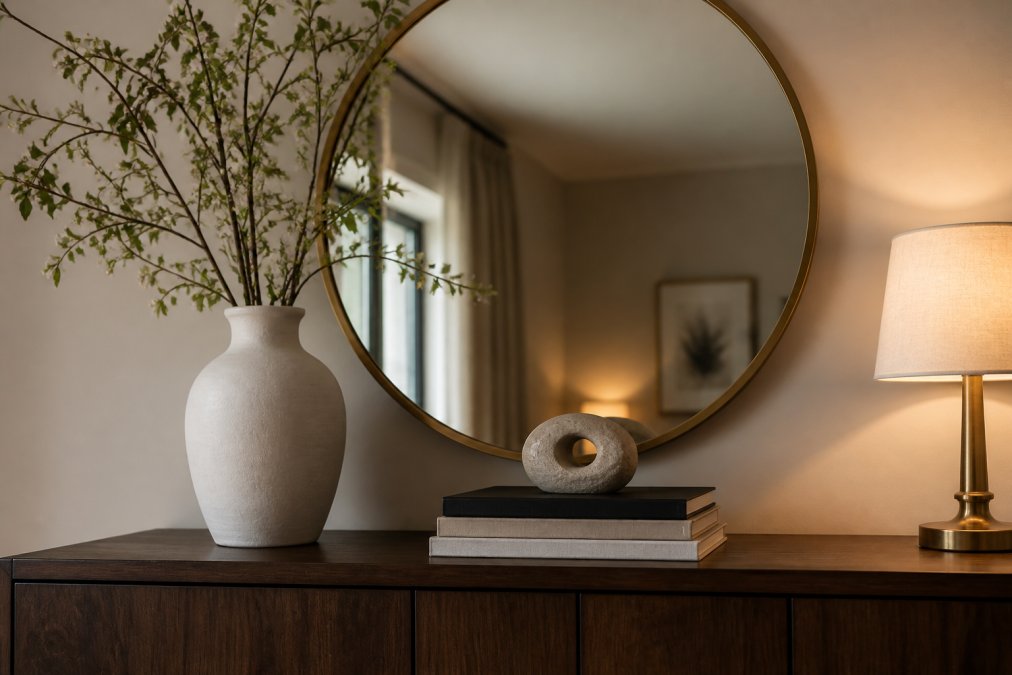
Edit ruthlessly. Remove anything that doesn't earn its place. Empty space reads as confidence. Clutter reads as uncertainty, regardless of price.
Invest in textiles. Quality curtains, a good rug, and well-chosen throw blankets add tactile richness. Curtains hung close to the ceiling and extending to the floor make ceilings appear taller.
Focus on scale and proportion. Furniture that fits a room correctly looks more expensive than oversized or undersized pieces regardless of actual price.
Layer lighting. A single overhead fixture makes a room flat. Add a floor lamp, table lamp, and candles. Layered light sources create depth and warmth.
Use natural materials strategically. A genuine stone bowl, ceramic vase, or linen cushion cover reads as quality even at accessible price points. Avoid plastic and synthetics in visible positions.
Finding unique home decor online that delivers on quality requires moving beyond mass-market platforms toward curated sources with genuine editorial standards.
Home 2 Court offers a thoughtfully curated selection of home decor and unique gifts designed for homeowners who want pieces with character rather than catalog uniformity.
For higher-end investment pieces, brands like Frontgate specialize in heirloom-quality furniture with particular strength in entertaining-focused design. Arteriors and Visual Comfort & Co. are strong resources for statement lighting with genuine designer credentials.
For the second-hand luxury market, established resale platforms with authentication processes are worth exploring for vintage and antique finds. According to Architectural Digest's guide to online furniture shopping, the most common regret among online furniture buyers is purchasing from photos alone without researching construction standards. Reading the materials description, not just the image, is the discipline that separates satisfied buyers from disappointed ones.
The best home decor investment pieces are rarely found in obvious places. A boutique online retailer with genuine curation, a reputable antique dealer, or a brand with transparent commitment to craftsmanship will consistently outperform mass-market platforms.
Deciding how to allocate your decorating budget is one of the more consequential choices you make for your home. Concentrate spending on high-use foundational pieces built from quality materials with timeless design, apply cost-per-use logic before every significant purchase, and resist trend-driven decor that will feel dated before it wears out. Home 2 Court's curated collection of home decor and unique gifts is built around exactly this philosophy, offering pieces selected for character, quality, and the kind of lifestyle that values both comfort and intention. Shop the collection at Home 2 Court and find pieces that belong in your home for years, not seasons.
Check the materials first: solid wood construction, dovetail joints, and full-grain leather signal durability. For upholstery, look for eight-way hand-tied springs and high-density foam rated above 1.8 lb/cubic foot. On decorative accessories, examine finish consistency, weight, and how pieces are joined, quality items feel substantial and show no rough edges or uneven coatings. Buying from curated retailers rather than mass-produced sources also reduces the risk of receiving items that look different from their photos.
Expensive home decor in the form of furniture almost always delivers better long-term value than costly decorative accessories. A well-built sofa or dining table gets used daily for a decade or more, spreading its cost across thousands of uses. Decorative accents, by contrast, are easier to refresh affordably as your taste evolves. The practical approach: invest heavily in foundational furniture pieces with strong craftsmanship and material quality, then layer in personality through mid-range or vintage accessories.
High-end interior design tends to prioritize quality over quantity, fewer pieces, each chosen for craftsmanship, natural materials, and timeless aesthetic rather than trend-chasing. Common patterns include mixing antiques or vintage finds with contemporary pieces, commissioning custom upholstery, and investing in designer lighting that anchors a room's visual weight. The result is a curated home that feels cohesive rather than crowded. Neutral foundations with carefully selected statement pieces are a recurring theme across professionally designed interiors.
Deep, saturated neutrals, warm whites, soft greiges, charcoal, and navy, consistently read as refined in interior styling. These tones provide a backdrop that lets furniture and decor carry visual weight without competing. High-contrast combinations, such as crisp white trim against a moody wall color, add architectural integrity without requiring expensive renovation. Paint is one of the highest-return investments in home improvement: a well-chosen palette can make budget-friendly furniture look far more intentional and polished.
This article was written using GrandRanker
