No Products in the Cart


Last Updated: October 1, 2026
The best personalized gift reflects the recipient's actual life, interests, and personality. Start by mapping out what you know about them: What do they spend their time doing? What makes them light up in conversation? These details become the foundation for a gift that lands.
The most thoughtful gifts connect directly to what someone loves. If they're into gardening, a personalized garden marker or custom plant pot makes sense. If they collect vinyl records, a custom record holder with their name engraved becomes both functional and sentimental.
Pay attention to hobbies they mention repeatedly, what they actually do, not what they want to try. Specificity beats generality: a gift that speaks to their actual passion outperforms something vague.
Daily routines shape what gifts get used. A personalized travel mug works for someone commuting daily but may gather dust for a work-from-home person. Consider their environment too: does a display-oriented person appreciate wall art, or does someone with minimalist taste prefer understated items?
The occasion shapes the recipient's emotional state and how they'll interpret your gift. A meaningful personalized gift acknowledges the specific moment and what it means to them.
For milestone occasions (birthdays, anniversaries, graduations), acknowledge their journey with a date, meaningful quote, or accomplishment reference. For transition occasions (weddings, new jobs), celebrate who they're becoming, not who they were. For gratitude occasions, keep personalization understated, initials or a custom note, to avoid awkwardness.
Not every occasion calls for the same depth of personalization. A casual thank-you gift personalized too heavily can feel disproportionate. A major life event personalized too lightly can feel impersonal.
Timing matters: birthday gifts should arrive on or near the date; wedding gifts within three months; congratulations gifts within the first week. Some occasions benefit from delay, a sympathy gift weeks later, when shock has passed, often means more. Consider whether the occasion is public or private to match the gift's tone.
Personalization isn't one-size-fits-all. The same engraved item that delights one person might feel off for another. Understanding personality types helps you personalize in ways that actually resonate.
For sentimental people, emphasize memory and emotion: custom photo albums, engraved jewelry, or home decor with meaningful dates. Write a note explaining why you chose it and what memory it references. They want to feel seen and remembered.

For practical people, personalize by making something useful better: a custom cutting board or personalized planner combines utility with customization. Skip sentiment and focus on how it improves their routine.
For adventurous people, connect the gift to their next adventure: a custom travel journal, personalized luggage tag, or item tied to a destination they're planning. The gift should enable or celebrate their next move, not sit as a display piece.
Determine what feels right for your relationship and occasion: $25-50 for thank-you gifts, $75-150 for close friends' birthdays, higher for weddings. Home 2 Court offers personalized options across price ranges, note cards from $7, personalized jewelry around $48. The best gift shows you understand the person and made a thoughtful choice within your means.

Personalized home items become part of daily life: wall art with meaningful dates, personalized cutting boards, custom pillows, organizational items, or photo frames. The strength is functionality, a personalized cutting board gets used weekly, a custom pillow becomes part of their living space.
Personalization is a tool that can strengthen or weaken a gift depending on execution. The goal is to make the recipient feel genuinely seen, not to create discomfort.
Engrave initials (subtle, timeless), meaningful dates, or short words they embody. Avoid long sentences, inside jokes requiring explanation, overly sentimental phrases, trendy words, or others' names. Quality matters immensely, professional engraving looks intentional; cheap engraving undermines even quality items.
Reference moments only you and the recipient share, inside jokes, meaningful memories, or something they said months ago. Ensure the reference is positive and won't confuse or embarrass them. For permanent items like engraved jewelry, choose references that age well: shared values or personality traits rather than jokes that might feel stale in five years.
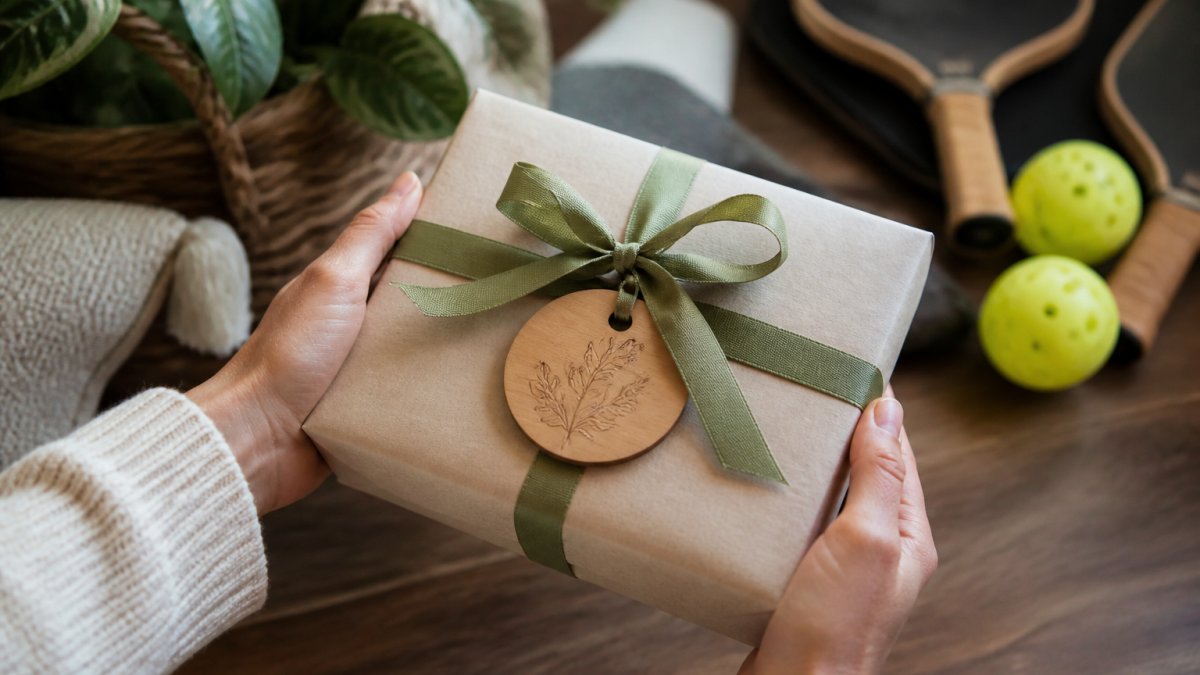
Presentation matters as much as the gift itself. Use quality wrapping materials and include a handwritten note explaining why you chose this gift and referencing something about them. For mailed gifts, invest in protective packaging that feels premium when it arrives.
Bryan Anthonys Mom Necklace, 14k Gold Necklace for Women, Pendant →
The delivery moment: When and how you give the gift shapes how they receive it. A gift handed over in a rushed moment feels different than one presented with intention.
The card and written message: This is where most people underinvest. A generic card with a signature wastes the opportunity to deepen the gift's meaning.
Even with good intentions, some personalization approaches backfire and make a gift feel inauthentic or uncomfortable.
Personalizing something they won't use: A monogrammed item that doesn't fit their lifestyle becomes clutter. Before personalizing, confirm they'll actually use it. A personalized cutting board for someone who never cooks, or a custom journal for someone who doesn't write, wastes the personalization.
Choosing personalization over quality: An engraved item made poorly is worse than a quality item without personalization. The base gift matters. If the item itself is cheap or poorly made, personalization doesn't elevate it, it highlights the cheapness.
Making assumptions about taste: Just because you love minimalist design doesn't mean they do. Personalizing based on your preferences rather than theirs creates a gift that feels more about you than about them.
Over-personalizing too early: For new relationships or casual friendships, heavily sentimental personalization can feel uncomfortable and presumptuous. Match the personalization level to your actual closeness.
Personalizing items with short shelf lives: A monogrammed item they'll discard in two years wastes the personalization effort. Choose items built to last, quality goods that will be part of their life for years.
Personalizing the wrong detail: Engrave a date they care about, not a date that matters only to you. Reference inside jokes they'll appreciate, not ones that might embarrass them or require explanation.
Missing the deadline: Custom items take time. Order early enough that you're not rushing. Rushed personalization often shows in quality and thoughtfulness. A late gift that feels hurried undermines the entire gesture.
The strongest personalized gifts combine quality, thoughtfulness, and genuine understanding of the recipient. They show you paid attention. They show you care. And they become items people keep and treasure for years.
Wedding registry gifts require a different strategy than casual gifts. The couple has specified what they want, which actually makes your job easier, you're choosing from their preferences, not guessing.
The art lies in personalizing your selection.
Even with good intentions, some mistakes undermine the impact of personalized gifts.
A meaningful personalized gift reflects genuine understanding of the recipient's values, interests, and life story. It shows intentional design rather than a generic purchase. The most impactful gifts combine something the recipient loves with a personal element like engraving, custom details, or a handwritten note. This emotional connection transforms an ordinary item into a keepsake they'll treasure. The effort you invest in understanding them matters as much as the gift itself.
Avoid mass-produced personalization like adding their name to a common item. Instead, choose a gift that already aligns with their personality, then add a unique layer. For example, pair a meaningful piece like the Bryan Anthonys Mom Necklace with a handwritten note explaining why you chose it. Reference specific moments you've shared, include inside jokes, or select something tied to their passions. The key is specificity: the more details only you would know, the more authentic the personalization feels.
Personalized gifts work best for milestone moments and relationships that matter most. Birthdays, anniversaries, weddings, and graduations are obvious choices, but personalized gifts also shine for less traditional occasions like a friend's career change, a new home, or celebrating someone's personal achievement. Weddings are particularly suited to personalized registry gifts that blend the couple's style with lasting functionality. The deeper the relationship or more significant the life event, the more meaningful a personalized gift becomes.
Observe their environment, social media, and conversations. Notice the colors and styles they wear, the books on their shelf, the activities they mention. Ask mutual friends about their recent interests or upcoming plans. Pay attention to whether they're sentimental (drawn to memory-based gifts), practical (preferring useful items), or adventurous (seeking new experiences). Once you've identified their personality type, select something that aligns with how they actually live and what they truly value, then personalize it with meaningful details.
