No Products in the Cart


Last Updated: September 23, 2026
A cozy home on a budget isn't a luxury, it's the foundation of well-being. Warm, inviting spaces reduce stress and encourage you to spend time there. Intentional, layered design creates calm that generic rooms cannot match.
Comfort doesn't require high-end furniture. Texture, lighting, and thoughtful organization create coziness far more effectively than price tags.
This guide walks you through exact steps to create a cozy home on a budget in 2026, with practical tactics that work immediately.
Decluttering is the foundation of coziness. Remove items you don't use, don't love, or don't need.
Start with one corner. Set a timer for 30 minutes and sort items into keep, donate, and discard piles.
Organize what remains using baskets, bins, or boxes to group similar items. Create clear zones where things have homes. A living room with designated spots for books, blankets, and decor feels curated and calm.
Organization tips:
Layered lighting, combining ambient, task, and accent light, transforms a room's mood. A single overhead light creates harsh shadows and feels uninviting.
The Psychology and Physiology of Cozy Lighting
Warm light (2700K or lower) mimics candlelight and triggers relaxation; cool light (4000K+) stimulates alertness. For cozy spaces, use 2700K bulbs in living areas, bedrooms, and dining spaces.
Spaces lit at 300-500 lumens feel intimate; 750+ lumens feel clinical. Dimmers let you adjust brightness for different moods. Plug-in dimmer adapters ($15-25) work with most standard lamps.
Layering Strategy for Renters and Homeowners
Ambient lighting provides general illumination (ceiling fixtures, wall sconces, string lights). Task lighting aids specific activities (desk lamps, bedside lamps). Accent lighting highlights architectural details or decor.
Mix sources without permanent installation: table lamps, battery-operated wall sconces, and string lights create depth and warmth without expense or damage.
Rental-Friendly Lighting Solutions
Positioning for Maximum Impact
Position lamps at varying heights to create visual depth. Angle fixtures away from seating to avoid glare. Position task lighting behind or to the side of reading areas, not directly overhead.
Highlight textured elements, gallery walls, bookshelves, plants, or trim, to draw the eye upward and make rooms feel larger.
Warm-Toned Bulb Specifications
When shopping for bulbs: Color temperature 2700K for living spaces; CRI 90+ for natural colors; Lumens 400-600 for ambient, 800-1000 for task, 100-200 for accent; Type LED bulbs last longer and cost less to run.
Throws, pillows, and area rugs add texture and softness. Start with a quality throw blanket draped over your sofa or bed. Natural fibers like wool, cotton, and alpaca create warmth and longevity.
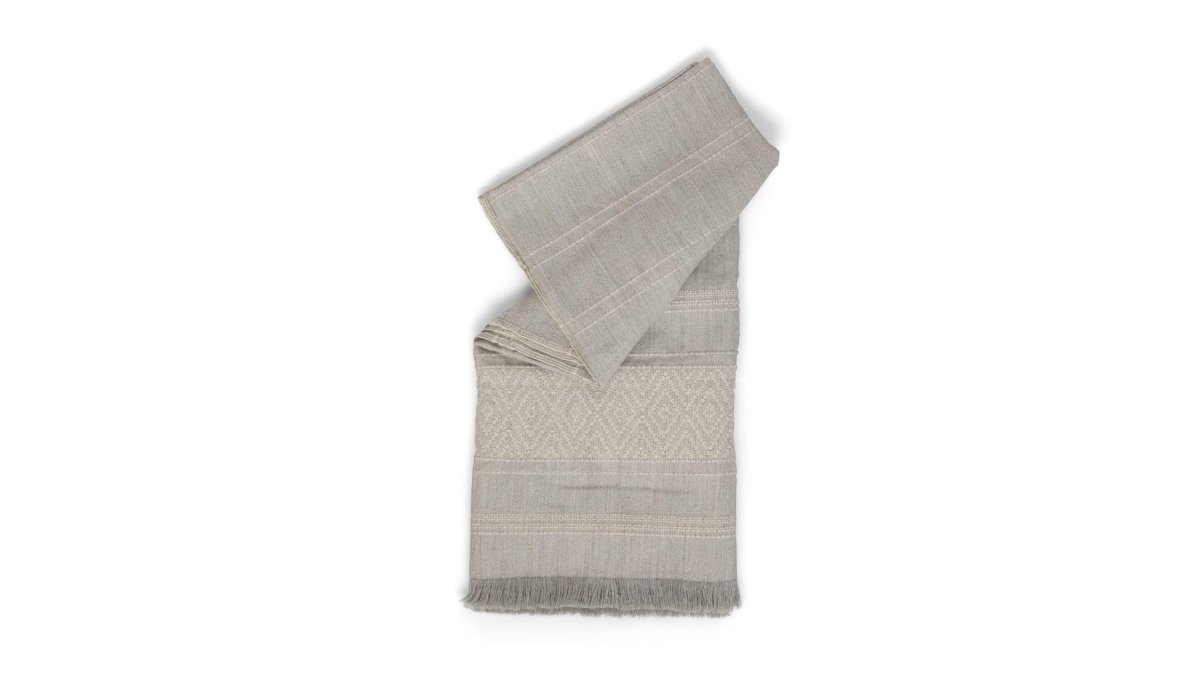
The Park Hill Collection Urban Living Diamond Pattern Alpaca Wool Throw is hand-woven alpaca wool with exceptional warmth and hypoallergenic properties. At $170, it's an investment piece that lasts years.
Layer pillows in varying textures, boucle, linen, wool. Mix solid colors with patterns. Odd numbers (three or five pillows) feel more intentional than even groupings.
Area rugs define spaces and add softness underfoot. A rug in warm, neutral tones anchors a seating area and makes it feel intentional.
Textile layering strategy:
Park Hill Collection Urban Living →
Home 2 Court specializes in curated home decor with unique pieces designed to create inviting spaces. Etsy connects you with makers selling one-of-a-kind items. Facebook Marketplace and Buy Nothing groups offer authentic, affordable treasures. Browse with intention and wait for sales rather than impulse buying.

Where to shop:
Home 2 Court (curated selection, unique pieces)
Etsy (handmade, one-of-a-kind items)
Facebook Marketplace (vintage and secondhand finds)
Local thrift stores (sustainable sourcing, unique finds)
DIY projects add personality while keeping costs low. These require minimal skill and basic materials you likely already own.
Painted Accent Wall: Paint one wall soft oatmeal, warm gray, or muted terracotta ($40, 3-4 hours). Styled Shelving: Arrange books and decor using the rule of threes ($0, 1-2 hours). Fabric Wall Hangings: Stretch fabric across frames ($15-30, 30 minutes). Candle Arrangements: Group candles of varying heights ($20-50, 30 minutes). Plant Clustering: Group houseplants and add inexpensive new ones ($15-40, 1 hour). These projects require no special skills and deliver immediate impact.
2026 trends emphasize warmth, sustainability, and personal expression. Rotation and reuse over constant purchasing is the most budget-friendly approach.
Oatmeal, warm gray, soft terracotta, and muted sage dominate 2026 aesthetics. These tones create calm and don't trend out quickly, so investments remain relevant year after year.
Vintage, secondhand, and upcycled furniture appeal to budget-conscious decorators. Thrift stores: 70-90% below retail. Facebook Marketplace and Craigslist: Local sellers price lower; negotiate. Buy Nothing groups: Free items. Estate sales: Lower prices than antique shops. Online vintage marketplaces: Etsy, Chairish, 1stDibs. This approach adds character and aligns with 2026's emphasis on authenticity.
Layered, Textured Spaces
Rather than sleek minimalism, 2026 favors spaces with depth: multiple textures, varied lighting, and intentional layering. This approach is both cozy and visually interesting. The budget advantage: you achieve this by combining existing items differently, not buying new ones. A throw blanket you already own, repositioned with intention, becomes a design element rather than clutter.
Rental-Friendly Modifications
Removable wallpaper, adhesive wall decals, and furniture-based styling dominate because they work in rental spaces. These solutions are affordable, flexible, and allow experimentation without commitment. Specific tactics:
Personalized Wall Art
Gallery walls, family photos, and meaningful artwork replace generic prints.
Seasonal Rotation Without Buying New Items
2026 Aesthetic Summary
Awareness of common pitfalls helps you avoid them. Many people inadvertently create spaces that feel cold or chaotic despite good intentions.
Avoiding these mistakes accelerates your progress toward genuine coziness.
Start with what you already own: rearrange furniture to create intimate zones, use natural light during the day, and add soft textiles like throws and pillows. Paint an accent wall in warm neutrals (oatmeal, warm gray, or soft taupe) for under $50. Declutter ruthlessly to create calm. Layer inexpensive lighting with budget lamps and candles. These foundational steps cost little but transform how inviting your space feels.
Stick to neutral tones: warm whites, oatmeal, soft grays, and warm browns create the foundation for calm. Add warmth through textiles in linen, boucle, and wool. Incorporate deeper accent colors sparingly, burgundy, forest green, or warm terracotta, in throw pillows or wall art. The psychology of comfort relies on colors that feel natural and grounding, not visually chaotic. Limit your palette to three main colors plus neutrals.
Layer ambient, task, and accent lighting without expensive fixtures. Use rechargeable portable lamps like the Bloom Lighting Collection Flaire Lamp ($180) or Burgundy Scallop Lamp ($154) for flexible mood lighting in any room. Add string lights, candles, and maximize natural light with sheer curtains. These options cost far less than rewiring and create the mood lighting that makes spaces feel inviting and calm.
Absolutely. Use removable wallpaper or paint accent walls if landlord permits. Layer area rugs to define cozy zones. Hang fabric tapestries or lightweight wall art with damage-free strips. Add throw pillows, blankets, and textiles that transform any space instantly. Portable lighting solutions work beautifully for renters. Focus on soft furnishings and styling rather than structural changes, this approach is both budget-friendly and move-friendly.
