No Products in the Cart


Last Updated: August 21, 2026
Casual pickleball players need equipment that balances quality with accessibility. The best gear for recreational play doesn't require massive investment, just reliable equipment that lets you focus on enjoying the game rather than managing frustrations.
At Home 2 Court, we understand that most casual players want gear that handles weekend games without breaking the bank. The essentials fall into five categories: paddles, shoes, balls, bags, and protective gear. Getting the right combination matters more than buying the most expensive option in any single category.
Your paddle is the most important piece of equipment you'll buy, and it's where casual players often make their first mistake: choosing based on looks or assuming more expensive equals better.
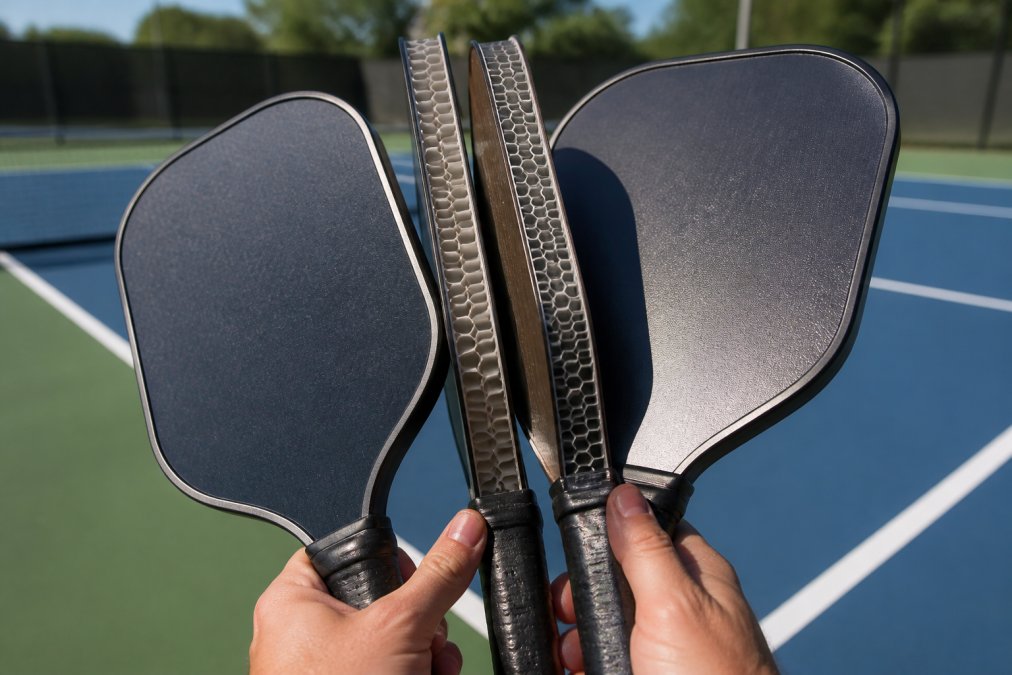
The right paddle depends on three factors: materials, weight, and sweet spot feel. These characteristics determine how forgiving the paddle is on off-center hits and how much control you get on soft shots.
Graphite face paddles offer the best balance for casual players. Graphite is lightweight, provides good control, and delivers consistent performance across shot types. Combined with a honeycomb core (typically Nomex or polypropylene), it creates a forgiving paddle that still gives you feedback on your shots.
Composite paddles using fiberglass are softer and offer more power for beginners, with slightly better durability on outdoor courts. The tradeoff is less responsiveness, making it harder to develop touch and control.
Avoid wooden cores or ultra-budget materials if you plan to play regularly. A quality graphite or composite paddle will last through years of casual play.
Paddle weight ranges from 6.5 to 8.5 ounces. Lighter paddles (7-7.5 oz) are easier to maneuver and reduce fatigue. For casual play, aim for 7.2-7.5 ounces, which balances power and control.
Grip size matters more than most players realize. Measure your hand from the base of your palm to your middle fingertip, that measurement in inches is approximately your ideal grip size. A grip that's too large forces tighter gripping, leading to arm fatigue; too small and you lose control.
The sweet spot is where hitting the ball produces the best results. Wide-body paddles (8 inches wide) have larger sweet spots, making them more forgiving on off-center hits. For casual players, a wide-body paddle with a generous sweet spot reduces frustration and helps you develop consistency faster.
Court-specific shoes are essential if you're playing more than once a month. Regular athletic shoes lack the lateral support and specialized sole design that pickleball demands.
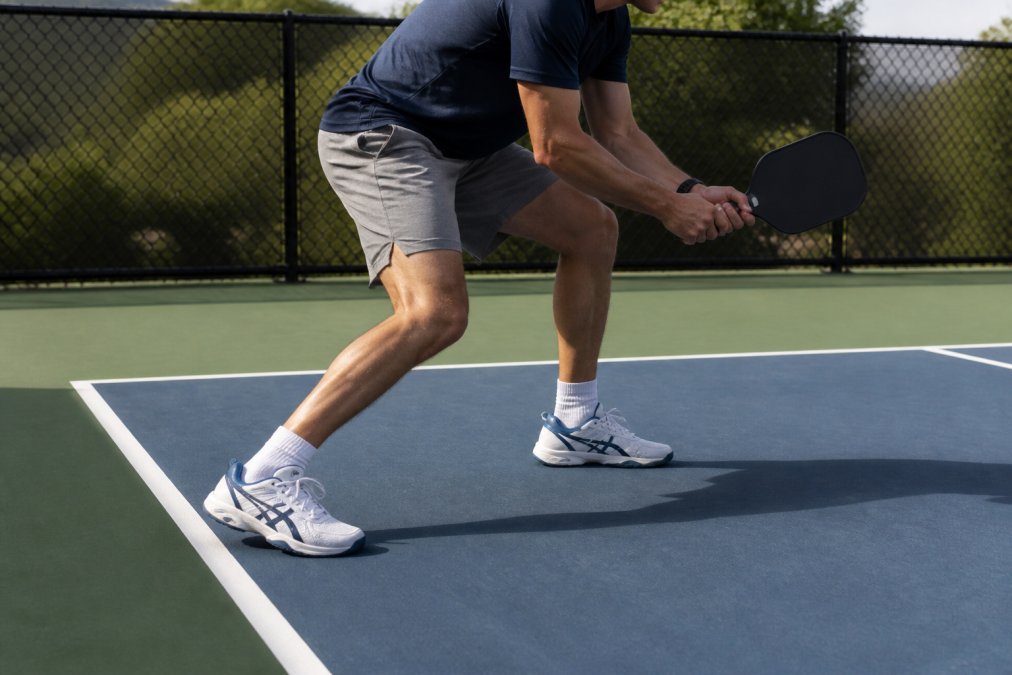
Pickleball shoes need lateral support to stabilize your ankle during quick direction changes, non-marking soles that won't damage indoor courts, and breathable fabric with moisture-wicking linings (the CDC). The Wilson Rush Pro Ace is a solid choice for casual players, particularly those with wider feet, featuring a 2E fit, 4D support chassis, and breathable construction.
Fit matters more than brand reputation. Try shoes on before buying and break them in with a practice session before playing competitively.
Your court bag needs to protect your paddle, carry balls, and hold water and personal items without becoming a hassle to transport.
Sling bags are compact and perfect for casual players bringing just one paddle and a few balls. The Franklin Sports Sling Pickleball Bag offers basic functionality at an accessible price, holding a paddle, balls, water bottle, and small accessories without bulk. The limitation is minimal storage capacity.
Backpacks are better if you're playing regularly or bringing multiple paddles. The Proton Sports Pickleball Backpack accommodates up to six paddles, includes an insulated snack pocket, and features a ventilated shoe compartment. The tradeoff is bulk.
For most casual players, start with a sling bag. If you find yourself playing weekly and bringing more gear, upgrade to a backpack.
Pickleballs are not interchangeable. Indoor and outdoor balls are manufactured differently to perform on their respective court surfaces.
Outdoor pickleballs are harder and heavier, with 40 precisely drilled holes, designed for rough surfaces. The Franklin Sports X-40 is the official ball of the US Open Pickleball Championships and performs consistently across outdoor conditions (usapickleball.org).
Indoor pickleballs are softer and lighter, with larger holes, designed for gymnasium floors and smooth surfaces. The ONIX Fuse Indoor Pickleballs provide consistent bounce on indoor courts.
Using an outdoor ball indoors will cause it to skid unpredictably. Using an indoor ball outdoors will wear it out quickly. If you play both environments, maintain separate ball sets.
Pickleball is generally a low-injury sport, but eye protection is essential. Balls traveling at high speed can cause serious eye injuries, and protective eyewear is the only gear that actually prevents them.
Look for eyewear with polycarbonate lenses, which are impact-resistant and won't shatter if hit directly (the FDA). Wraparound styles offer better coverage than traditional glasses. Avoid sunglasses designed for outdoor wear, they're not impact-rated.
Padded gloves and wrist supports are optional for casual players but worth considering if you have a history of wrist or hand injuries.
The rental-versus-buy decision depends on how committed you are to playing regularly.
| Factor | Rent | Buy |
|---|---|---|
| Cost per session (1-2 times/month) | Higher long-term | Lower long-term |
| Equipment quality | Variable, often entry-level | You choose the quality |
| Commitment required | None, try before investing | Requires confidence you'll play regularly |
| Best for | Testing the sport, occasional games | Players committed to weekly or bi-weekly play |
| Timeline to break even | Rental costs exceed purchase after ~8-12 sessions | Typically pays for itself within 2-3 months of regular play |
If you're playing once a month or less, rental equipment makes financial sense. If you're playing twice monthly or more, buying your own gear becomes cheaper.
Home 2 Court curates gear specifically for recreational players who want quality without unnecessary complexity.
The JOOLA Essentials Pickleball Paddle is a reliable entry-level option with a fiberglass surface for good pop and feel, a response polymer core for balanced play, and enhanced edge guard protection. USAPA approval means it's tournament-legal if you decide to try organized play later. This paddle is best for beginners developing their skills without high investment.
The ONIX Z5 Graphite Pickleball Paddle strikes the best balance for casual players who've played a few times and want to upgrade. The graphite face delivers lightweight characteristics and maneuverability, while the Nomex honeycomb core provides power and control. The wide-body shape creates a large sweet spot that forgives off-center hits.
The Engage Poach Icon Lightweight Composite Pickleball Paddle represents the upper end of the casual-player range. At 7.5-7.8 ounces, it's noticeably lighter, translating to less arm fatigue. The advanced composite skin provides excellent control and soft feel. This paddle is best for intermediate casual players who've developed basic technique and want equipment that responds to improving shot quality.
For outdoor play, the Franklin Sports X-40 Outdoor Pickleballs are the standard, official balls of the US Open Championships with 40 precisely drilled holes ensuring balanced flight and consistent spin.
For indoor play, the ONIX Fuse Indoor Pickleballs deliver consistent bounce on gymnasium and smooth court surfaces.
For bags, the Franklin Sports Sling Pickleball Bag handles basic needs at an accessible price. If you're playing weekly and bringing multiple items, the Proton Sports Pickleball Backpack offers better organization with dual paddle pockets, insulated snack pocket, and separate shoe compartment.
Home 2 Court's approach to pickleball gear differs from typical sporting goods retailers. Rather than stocking every option, we curate selections specifically for how casual players actually use equipment. Our inventory reflects what works for recreational play, balancing quality, durability, and accessibility without premium pricing.
Our expertise extends beyond pickleball to the lifestyle aspect of the sport. We understand that casual players often view pickleball as part of a broader entertaining lifestyle, which is why we pair gear recommendations with home decor and hosting products that create a complete recreational environment.
When you shop with Home 2 Court, you're working with a team that plays recreationally and understands what actually matters for weekend games with friends.
Casual pickleball doesn't require expensive equipment or complicated gear decisions. Start with a mid-range graphite paddle, proper court shoes, and balls matched to your playing environment. As you play more regularly, you'll develop preferences and can upgrade strategically. Home 2 Court carries curated selections of beginner-friendly gear that performs reliably on public courts without unnecessary complexity. SHOP NOW! and find everything you need to play comfortably and enjoy the sport for years to come.
FREQUENTLY ASKED QUESTIONS
What's the difference between indoor and outdoor pickleballs? Outdoor pickleballs are harder and heavier with 40 drilled holes, designed for rough court surfaces. Indoor pickleballs are softer and lighter with larger holes, optimized for smooth gymnasium floors. Using the wrong ball on the wrong surface causes poor performance and accelerates wear.
Do I need special shoes for pickleball? Yes. Pickleball shoes provide lateral support and non-marking soles that regular athletic shoes lack. The constant side-to-side movement demands shoes specifically designed for that motion.
How much should I spend on a beginner paddle? For casual players, pricing depends on quantity, dates, and delivery. Please visit Home 2 Court's website for current prices.
Should I buy or rent equipment? Rent for your first few sessions to confirm you enjoy the sport. Buy once you're playing twice monthly or more, equipment typically pays for itself within 2-3 months of regular play.
What protective gear do I actually need? Eye protection with polycarbonate lenses is essential. Wrist supports and padded gloves are optional for casual players but worth considering if you have previous injuries.
Can I use tennis shoes for pickleball? Not ideally. Tennis shoes prioritize forward-and-back movement, while pickleball shoes support lateral motion. Tennis shoes won't provide adequate stability for regular play.
How often do pickleballs need replacing? Outdoor balls last 3-5 weeks of regular play before cracking. Indoor balls last longer on smooth surfaces. Check balls before each session and replace if you notice cracks or deformation.
What's the best paddle for beginners? The ONIX Z5 Graphite offers the best balance for most beginners, excellent control, large sweet spot, and mid-range pricing. If budget is the primary concern, the JOOLA Essentials is a solid entry point.
=== FAQ ANSWERS (audit these too, same rules) ===
[1] Q: What is the best pickleball gear for someone just starting out? A: Beginners need a USAPA-approved paddle with a large sweet spot, court-specific shoes with lateral support, protective eyewear, and appropriate pickleballs for your playing surface. Start with entry-level paddles that balance control and power without overwhelming cost. A simple sling bag or backpack handles basic gear transport. Prioritize shoes and eyewear for injury prevention and court stability, these matter more than premium paddle features when you're learning fundamentals.
[2] Q: How do I choose a pickleball paddle as a beginner? A: Look for paddles with a graphite face or composite construction, a honeycomb core for balanced performance, and a grip size that fits your hand comfortably. Lighter paddles (under 8 oz) improve maneuverability; heavier ones add power. Check the sweet spot size, wider-body paddles are more forgiving on off-center hits. Entry-level options like the JOOLA Essentials or ONIX Z5 offer excellent control and durability without advanced features you won't yet need.
[3] Q: Do I need special shoes for pickleball? A: Yes. Court-specific shoes with non-marking soles, lateral support, and shock absorption prevent ankle injuries and improve stability during lateral movements. Pickleball involves quick side-to-side motion that regular sneakers don't support well. Look for shoes with cushioning in the heel and forefoot, breathable fabric for moisture-wicking, and a fit that accommodates your foot width. Wilson Rush Pro Ace and similar court shoes are designed specifically for this type of movement.
[4] Q: What should I put in my pickleball court bag? A: Essential items include your paddle, at least two sets of pickleballs (one for outdoor, one for indoor play), water bottle, grip towel, overgrip tape, and a small first-aid kit. Add your court shoes if you change into them at the venue. A sling bag works for minimal gear; a backpack suits players who carry multiple paddles, shoes, or extra apparel. Choose a bag with compartments to keep balls and shoes separate from other items.
[5] Q: What's the difference between indoor and outdoor pickleballs? A: Outdoor pickleballs (like Franklin Sports X-40) have 40 machine-drilled holes, one-piece construction, and thicker material for durability on hard courts. Indoor balls (like ONIX Fuse) have fewer holes and softer construction for true bounce on gymnasium or vinyl surfaces. Using the wrong ball type affects flight consistency and spin. Check your venue's requirements, outdoor courts require outdoor balls; indoor facilities typically require indoor-specific balls for proper play.
Beginners need a USAPA-approved paddle with a large sweet spot, court-specific shoes with lateral support, protective eyewear, and appropriate pickleballs for your playing surface. Start with entry-level paddles that balance control and power without overwhelming cost. A simple sling bag or backpack handles basic gear transport. Prioritize shoes and eyewear for injury prevention and court stability, these matter more than premium paddle features when you're learning fundamentals.
Look for paddles with a graphite face or composite construction, a honeycomb core for balanced performance, and a grip size that fits your hand comfortably. Lighter paddles (under 8 oz) improve maneuverability; heavier ones add power. Check the sweet spot size, wider-body paddles are more forgiving on off-center hits. Entry-level options like the JOOLA Essentials or ONIX Z5 offer excellent control and durability without advanced features you won't yet need.
Yes. Court-specific shoes with non-marking soles, lateral support, and shock absorption prevent ankle injuries and improve stability during lateral movements. Pickleball involves quick side-to-side motion that regular sneakers don't support well. Look for shoes with cushioning in the heel and forefoot, breathable fabric for moisture-wicking, and a fit that accommodates your foot width. Wilson Rush Pro Ace and similar court shoes are designed specifically for this type of movement.
Essential items include your paddle, at least two sets of pickleballs (one for outdoor, one for indoor play), water bottle, grip towel, overgrip tape, and a small first-aid kit. Add your court shoes if you change into them at the venue. A sling bag works for minimal gear; a backpack suits players who carry multiple paddles, shoes, or extra apparel. Choose a bag with compartments to keep balls and shoes separate from other items.
Outdoor pickleballs (like Franklin Sports X-40) have 40 machine-drilled holes, one-piece construction, and thicker material for durability on hard courts. Indoor balls (like ONIX Fuse) have fewer holes and softer construction for true bounce on gymnasium or vinyl surfaces. Using the wrong ball type affects flight consistency and spin. Check your venue's requirements, outdoor courts require outdoor balls; indoor facilities typically require indoor-specific balls for proper play.
EXTERNAL SOURCES CITED:
[EXTERNAL_LINK: USA Pickleball official rules and equipment standards | usapickleball.org]
[EXTERNAL_LINK: Franklin Sports X-40 official tournament specifications | franklinsports.com]
[EXTERNAL_LINK: American Podiatric Medical Association guidance on athletic footwear | apma.org]
This article was written using GrandRanker
